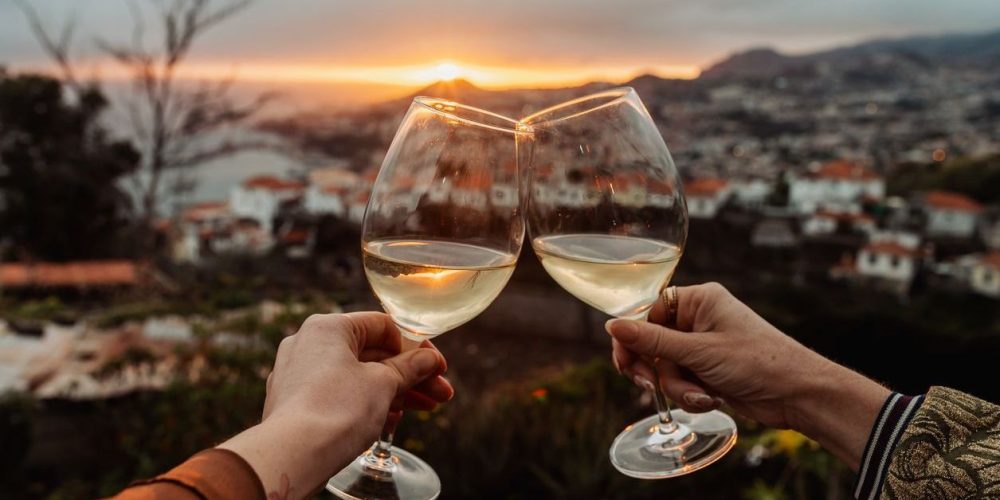
Few wines in the world have a story quite like Madeira wine. Produced exclusively on the Portuguese island of Madeira, this fortified wine has travelled across oceans, survived centuries of changing tastes, and earned a reputation as one of the most distinctive wines ever made. Known locally as vinho da Madeira, it’s closely tied to the island’s history, culture, and economy.
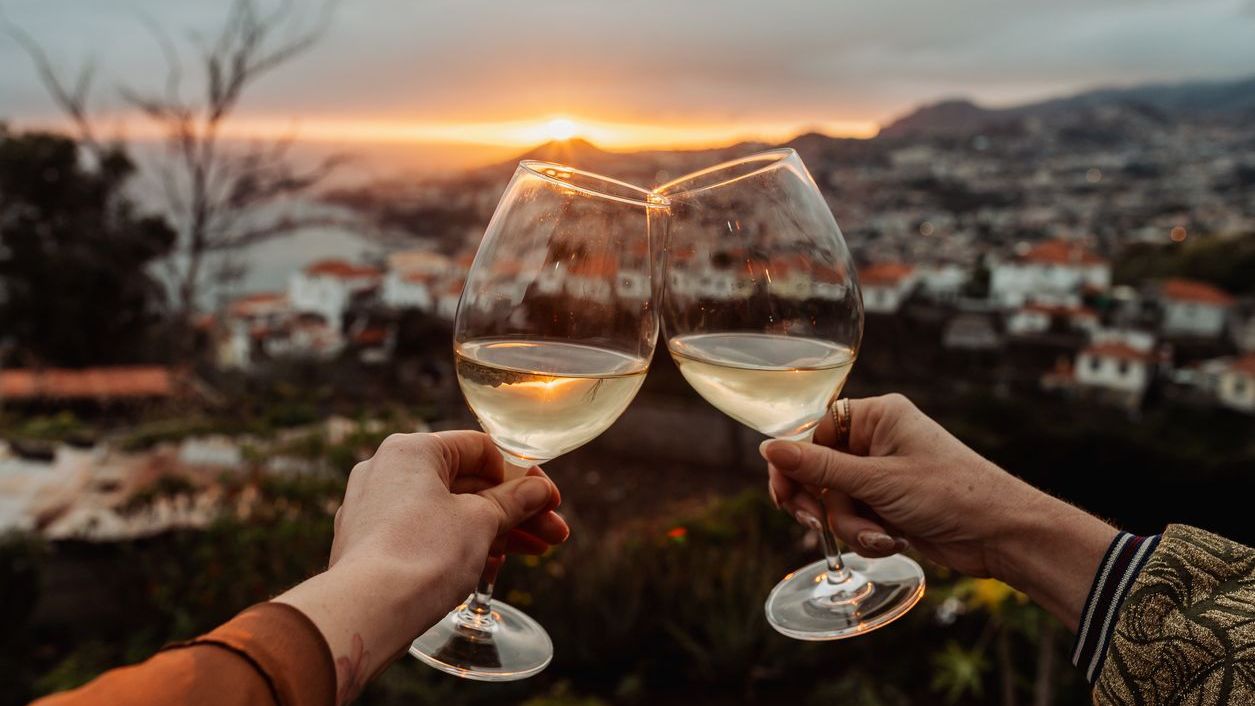
For visitors exploring Madeira, why not consider an afternoon wine tasting? From historic wine lodges in Funchal to vineyard tours overlooking the Atlantic, there are plenty of opportunities to discover what makes Madeira wine so special.
History and Origin of Madeira Wine
The history of Madeira wine dates back to the 15th century, shortly after Portuguese settlers arrived on the island. Madeira’s position in the Atlantic Ocean quickly made it an important stop for ships travelling between Europe, Africa, and the Americas. Local wine was regularly loaded onto vessels heading across the world’s trade routes.
During these long sea voyages, something unexpected happened. The combination of tropical heat and constant movement transformed the wine, improving its flavour and stability. Merchants noticed that wines returning from these journeys often tasted richer and more complex than before they had left port.
Recognising the commercial potential, producers began recreating these conditions on the island itself. This discovery became the foundation of Madeira wine production and helped establish the wine’s distinctive identity.
By the 17th and 18th centuries, Madeira wine had become highly sought after throughout Europe and North America. Wealthy merchants, politicians, and aristocrats regularly enjoyed it, while exports helped drive Madeira’s growing economy. Today, centuries later, the island continues to produce wine using many of the principles that made it famous around the world.
The Unique Production Process Behind Madeira Wine
One of the defining features of Madeira wine is its production process. Like Port wine, Madeira is fortified, meaning grape spirit is added during fermentation. This increases the alcohol content and helps preserve the wine.
What truly separates Madeira wine from other fortified wines is the way it is aged. Producers intentionally expose the wine to heat, replicating the conditions experienced during those historic sea voyages.
There are two main ageing methods. The first, known as estufagem, uses controlled heating tanks to warm the wine over a period of time. The second, called canteiro, is a more traditional process in which barrels are stored in warm warehouses and aged naturally for many years.
The combination of fortification, oxidation, and heating creates flavours rarely found elsewhere in the wine world. Depending on the style, Madeira wine can develop notes of roasted nuts, dried fruits, orange peel, coffee, spices, caramel, and toffee. These techniques also give the wine its famous resilience, allowing bottles to remain drinkable for decades and sometimes even centuries.
Main Types and Varieties of Madeira Wine
Madeira wine is available in several styles, each associated with a particular grape variety and level of sweetness.
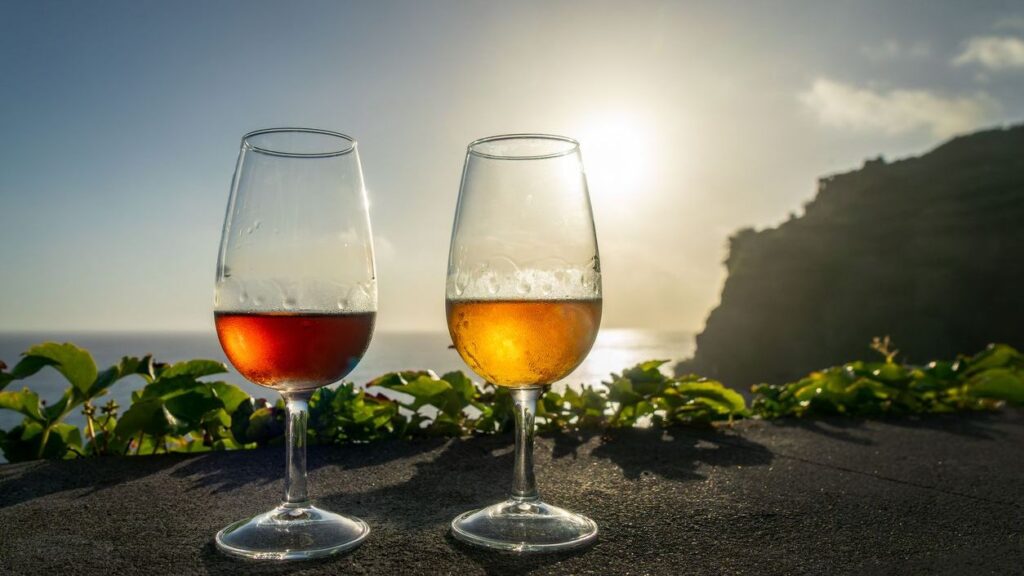
Sercial produces the driest style of Madeira wine. It’s known for its bright acidity, crisp character, and citrus-driven flavours. This style is often served as an aperitif before a meal.
Verdelho creates a medium-dry wine that balances freshness with greater richness. It typically offers notes of dried fruit and subtle sweetness while maintaining a lively finish.
Bual, sometimes called Boal, produces medium-sweet Madeira wines. These wines are fuller-bodied and often display flavours of caramel, nuts, and raisins.
Malvasia, also known as Malmsey, represents the sweetest style. Rich and luxurious, it’s commonly enjoyed alongside desserts or as an after-dinner wine.
The island’s most widely planted grape variety is Tinta Negra. Highly versatile, it can be used to produce wines across the entire sweetness spectrum, from dry to sweet. Many visitors tasting Madeira island wine will encounter examples made from this grape.
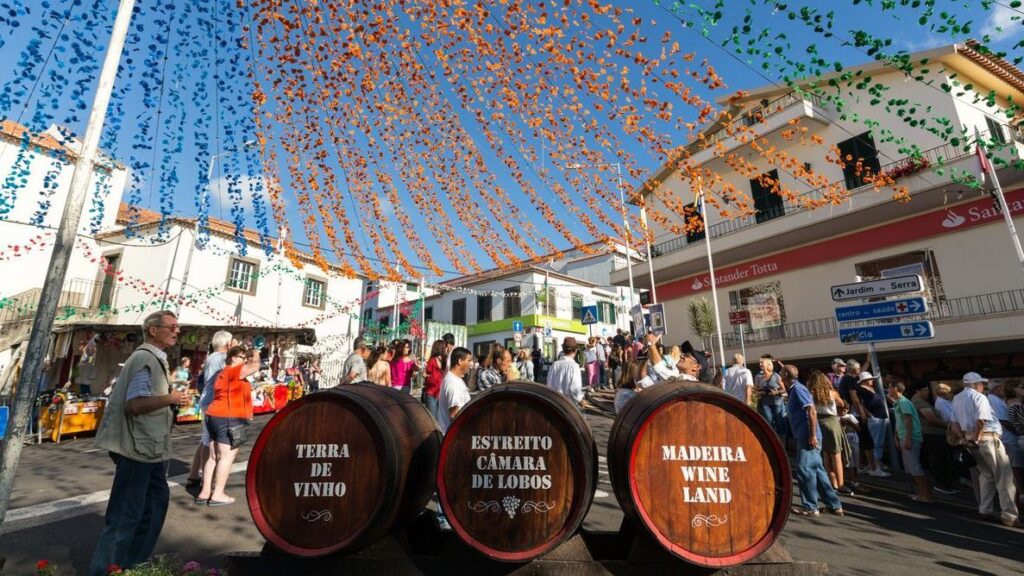
Best Wineries and Wine Tours in Madeira
Exploring Madeira’s wine heritage is one of the highlights of any visit to the island. Several historic producers welcome visitors throughout the year, offering guided tours and tastings.
Blandy’s Wine Lodge
Blandy’s Wine Lodge in Funchal is among the most famous destinations. Located in a historic building, the lodge provides an excellent introduction to Madeira wine production, ageing techniques, and the island’s wine history. If you’re staying nearby, it fits neatly alongside time spent exploring Funchal Old Town.
H.M. Borges
H.M. Borges is one of Madeira’s oldest wine producers, having been founded in 1877. The company remains family-owned and is known for producing high-quality Madeira wines using traditional ageing methods. Visitors can explore the historic wine cellars in Funchal, learn about the production process, and sample a selection of wines ranging from dry styles to rich vintage Madeira.
Henriques & Henriques
Henriques & Henriques offers tours that combine modern production facilities with insight into the island’s viticultural heritage. The company is particularly known for helping preserve some of Madeira’s traditional grape varieties.
Many organised wine tours also include visits to vineyards, scenic viewpoints, and local restaurants, allowing travellers to experience Madeira’s landscapes alongside its wines.
Madeira Wine Tasting Tips for Visitors
Tasting Madeira wine works best when you treat it as a progression rather than a single glass-and-done experience. Each style sits in a different part of the sweetness spectrum, and moving through them reveals how varied vinho da Madeira can be.
A good starting point is to explore the main styles in sequence:
- Sercial (dry): sharp, fresh, and high in acidity. Traditionally served with olives, salted nuts, or simple appetisers.
- Verdelho (medium-dry): slightly rounder, with more fruit depth. Works well with soups, seafood, and mild cheeses.
- Bual (medium-sweet): richer and more textured, leaning into caramelised fruit and spice.
- Malvasia (sweet): the most indulgent style, often paired with desserts, chocolate, or pastries.
Beyond pairing, aroma is where Madeira wine really starts to open up. Swirling the glass releases layers that often shift between dried fruit, roasted nuts, citrus peel, and caramel. Older bottles tend to push this further, showing deeper, more concentrated notes that feel almost savoury at times.
When visiting wine lodges, it also pays to ask questions rather than just taste and move on. Guides can explain how ageing systems like estufagem and canteiro influence what’s in the glass, which helps connect flavour to process rather than treating it as abstract tasting notes.
Plan Your Visit and Try Madeira Wine For Yourself
Madeira wine is one of those rare regional specialties that genuinely reflects its place of origin. From its accidental discovery on long sea voyages to the carefully controlled ageing methods used today, vinho da Madeira has held onto its identity while still evolving with modern production techniques.
For anyone planning a trip to Madeira, wine tasting fits naturally alongside exploring the island’s landscapes, coastal towns, and viewpoints. Staying in well-located accommodation also makes it easier to visit the main wine producers without long transfers or rushed schedules.
If you’re planning a visit, book your stay with Atlantic Stays to make the most of your time on the island and keep the best wine experiences within easy reach.